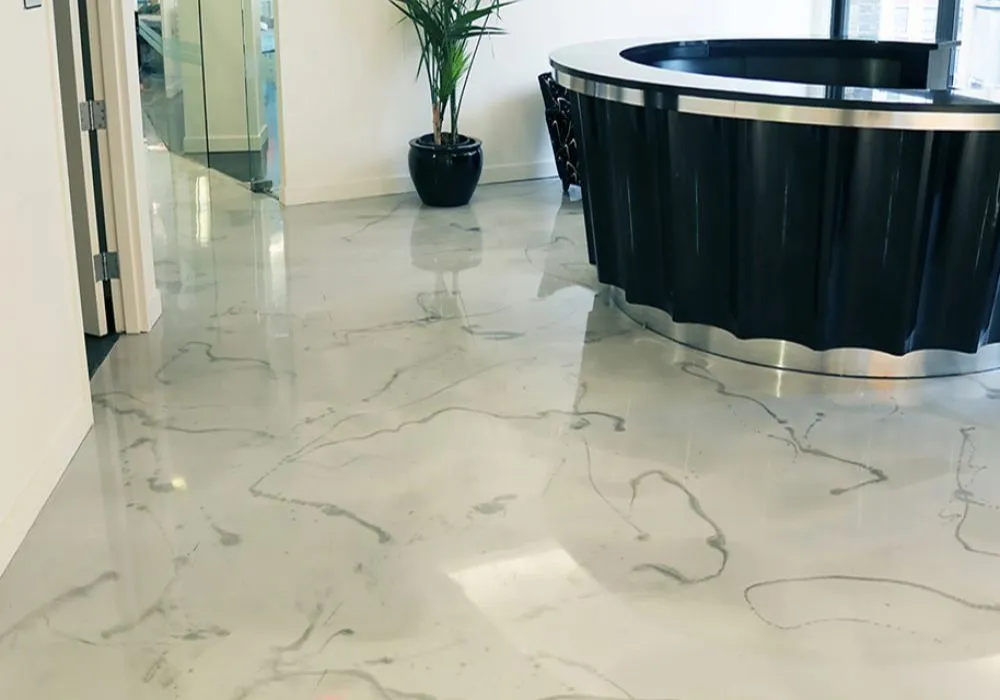
Modern construction and interior finishing have evolved significantly, especially in regions with demanding climate conditions and high-traffic commercial environments. Among the many surface solutions available today, resin-based flooring systems have gained strong attention due to their durability, seamless appearance, and resistance to chemicals and wear. These flooring systems are commonly used across industries where performance and hygiene standards must be maintained consistently.

Understanding how advanced floor coating systems function requires exploring their material composition, installation process, environmental performance, and maintenance requirements. This article explains the science, applications, and performance factors of modern resin flooring solutions in different environments and industries.
How resin-based flooring systems are engineered for durability and chemical resistance in industrial and commercial environments
Resin flooring systems are engineered using multi-layer chemical formulations designed to create strong bonding with prepared substrates. The materials used often include reactive polymers that form a hardened protective layer after curing.
In many industrial environments, surfaces are exposed to:
- Heavy machinery traffic
- Chemical spills and cleaning agents
- Constant foot traffic
- Abrasion from equipment movement
In facilities across the Middle East, especially where industrial growth is rapid, systems such as epoxy flooring uae are often studied for their structural strength and chemical resistance properties in warehouses, hospitals, and production facilities.
The engineering process typically involves:
- Surface grinding or shot blasting
- Primer application for bonding
- Multiple resin coating layers
- Protective topcoat for durability
These layers combine to create a flooring system capable of withstanding extreme operational stress.
Why climate conditions influence coating performance and long-term surface stability in high-traffic interior areas
Climate plays a major role in determining coating behavior, especially during installation and curing stages. Temperature and humidity influence chemical reactions that occur during resin hardening.
Key climate factors include:
- Ambient temperature during installation
- Humidity levels affecting curing speed
- Moisture vapor from concrete substrates
- UV exposure in partially open structures
High temperatures can accelerate curing, which sometimes reduces working time for installers. On the other hand, excessive humidity can cause surface defects such as bubbling or poor adhesion.
Proper environmental control ensures:
- Even curing throughout the surface
- Maximum bonding strength
- Reduced risk of surface cracking
- Consistent surface appearance
Understanding environmental limitations helps engineers choose the correct formulation and installation timing.
How substrate preparation determines coating lifespan, adhesion quality, and long-term structural integrity outcomes
Surface preparation is often the most critical step in flooring system success. Even the highest-quality coating materials can fail if the substrate is not properly prepared.
Preparation typically involves:
- Removing old coatings or contaminants
- Repairing cracks and surface damage
- Testing moisture content
- Creating surface roughness for adhesion
If preparation is ignored, potential problems may include:
- Delamination of coating layers
- Early surface wear
- Trapped moisture causing blistering
- Reduced load-bearing capacity
Professional installation standards focus heavily on mechanical preparation methods rather than simple cleaning processes to ensure long-term reliability.
What installation stages are required to ensure a defect-free finish across large commercial and residential surfaces
Installation is a structured process that must be followed carefully to ensure consistent results. Each stage builds upon the previous one, forming a fully bonded system.
Typical installation stages include:
- Substrate inspection and moisture testing
- Mechanical surface preparation
- Primer application for bonding
- Base coat installation
- Optional reinforcement layers
- Protective topcoat sealing
Installers must carefully monitor curing times between layers to avoid structural weakness. Large commercial projects require precise planning to ensure uniform thickness across large floor areas.
Quality control during installation helps prevent surface imperfections such as uneven gloss, texture inconsistencies, or weak bonding zones.
How seamless surfaces reduce bacterial growth risks and improve hygiene management in controlled environments
Seamless flooring systems are especially valuable in environments requiring strict hygiene standards. Unlike tile-based flooring systems, seamless coatings eliminate joints and grout lines where bacteria can accumulate.
In facilities such as laboratories and healthcare buildings, traditional decorative stone systems like terrazzo are often compared with resin systems when evaluating hygiene performance and maintenance requirements.
Seamless systems support hygiene by:
- Eliminating dirt-trapping joints
- Allowing easier chemical cleaning
- Reducing microbial growth surfaces
- Supporting sterile environment standards
This makes them ideal for food processing, pharmaceuticals, and medical environments where contamination control is critical.
Why slip resistance ratings are important for workplace safety and regulatory compliance across industries
Slip resistance is a critical safety factor, especially in industrial and commercial environments where liquid spills or dust accumulation are common.
Slip resistance is typically measured using standardized testing methods that evaluate surface friction under wet and dry conditions.
Safety benefits include:
- Reduced workplace accidents
- Improved employee safety compliance
- Lower liability risks
- Better performance in wet processing environments
Facilities researching modern surface systems like seamless flooring dubai often prioritize anti-slip customization to match specific operational safety requirements.
Slip resistance can be customized by adding aggregate materials or texture modifications during installation.
How maintenance schedules influence lifecycle performance and long-term surface appearance consistency
Maintenance directly impacts flooring lifespan. Even high-performance coatings require consistent cleaning and inspection to maintain structural and visual quality.
Effective maintenance plans typically include:
- Daily surface cleaning
- Weekly inspection for damage
- Periodic deep cleaning
- Annual professional inspection
Neglecting maintenance may lead to:
- Surface dullness
- Micro-scratches from debris
- Reduced slip resistance
- Gradual coating wear
Proper maintenance ensures the surface continues to perform as designed throughout its lifecycle.
Conclusion
Modern resin flooring systems represent a balance between engineering performance, environmental resistance, and hygiene functionality. Their widespread adoption across industries is largely due to their adaptability to different environments and operational demands. When properly installed and maintained, these flooring systems can provide long-lasting performance even in demanding conditions.
Understanding installation science, environmental influence, and maintenance requirements helps facility planners and building managers make informed flooring decisions based on performance rather than appearance alone.
FAQs
What makes resin flooring different from traditional concrete coatings?
Resin flooring forms a chemically bonded layer that integrates with the substrate, offering higher durability and chemical resistance compared to standard concrete sealers or paints.
How long does resin flooring typically last in commercial spaces?
With proper installation and maintenance, high-quality resin flooring systems can last 10–20 years depending on traffic levels and environmental exposure.
What environmental conditions affect curing time the most?
Temperature and humidity have the strongest impact. Higher temperatures accelerate curing, while excessive humidity can slow or disrupt chemical bonding.
How is surface preparation performed before coating installation?
Preparation usually involves mechanical grinding, crack repair, cleaning, and moisture testing to ensure proper bonding and long-term performance.
What industries benefit most from seamless resin flooring systems?
Healthcare, manufacturing, food processing, logistics warehouses, and pharmaceutical facilities benefit significantly due to hygiene and durability needs.
How is slip resistance tested in industrial flooring applications?
Slip resistance is measured using standardized friction testing equipment that evaluates performance under wet and dry surface conditions.