
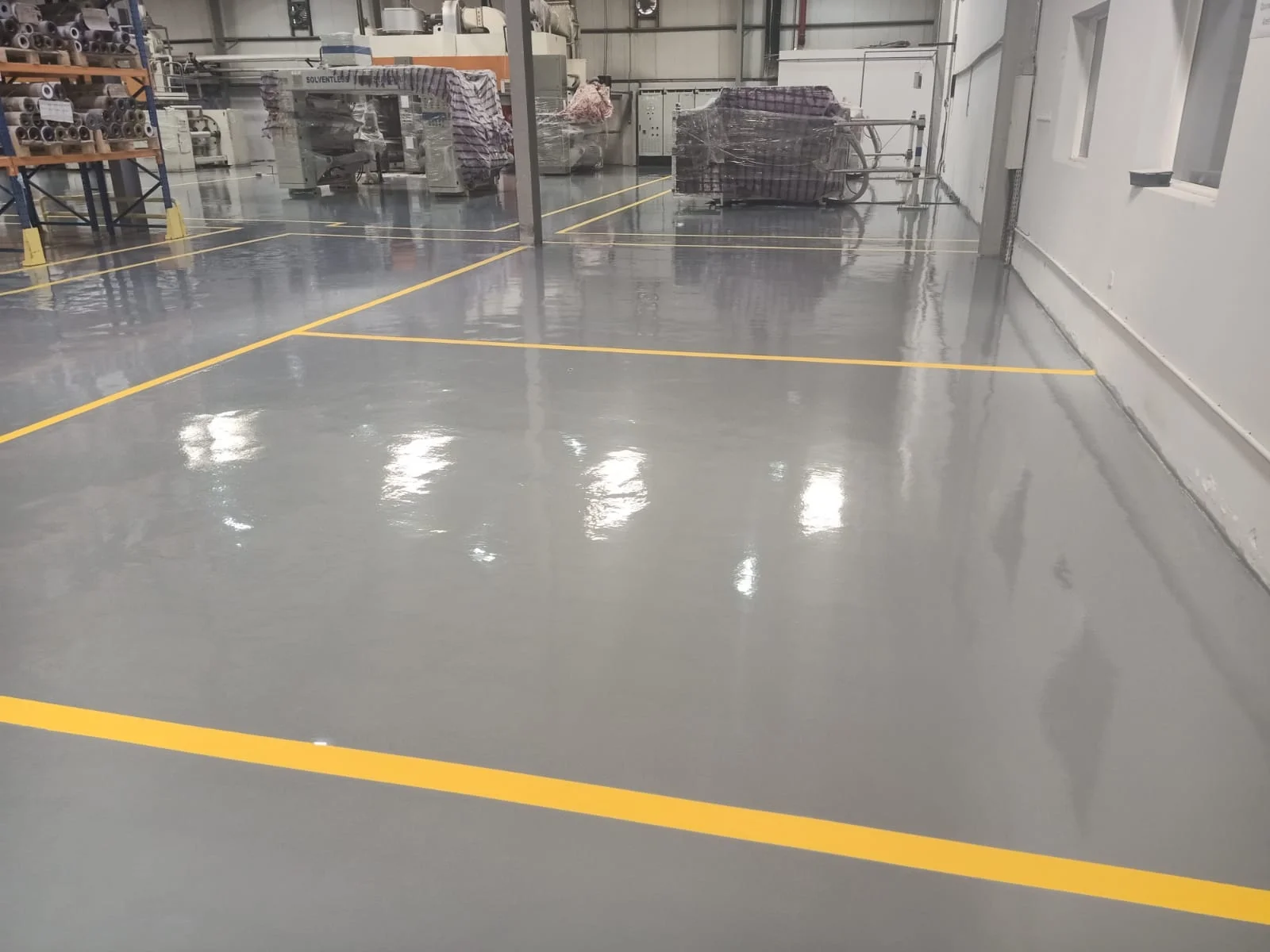
Flooring performance becomes especially critical in regions where environmental conditions place constant stress on building materials. High temperatures, humidity fluctuations, and heavy industrial usage can accelerate wear if flooring systems are not engineered correctly. Modern resin-based flooring systems are designed to maintain performance stability even in challenging environmental conditions.
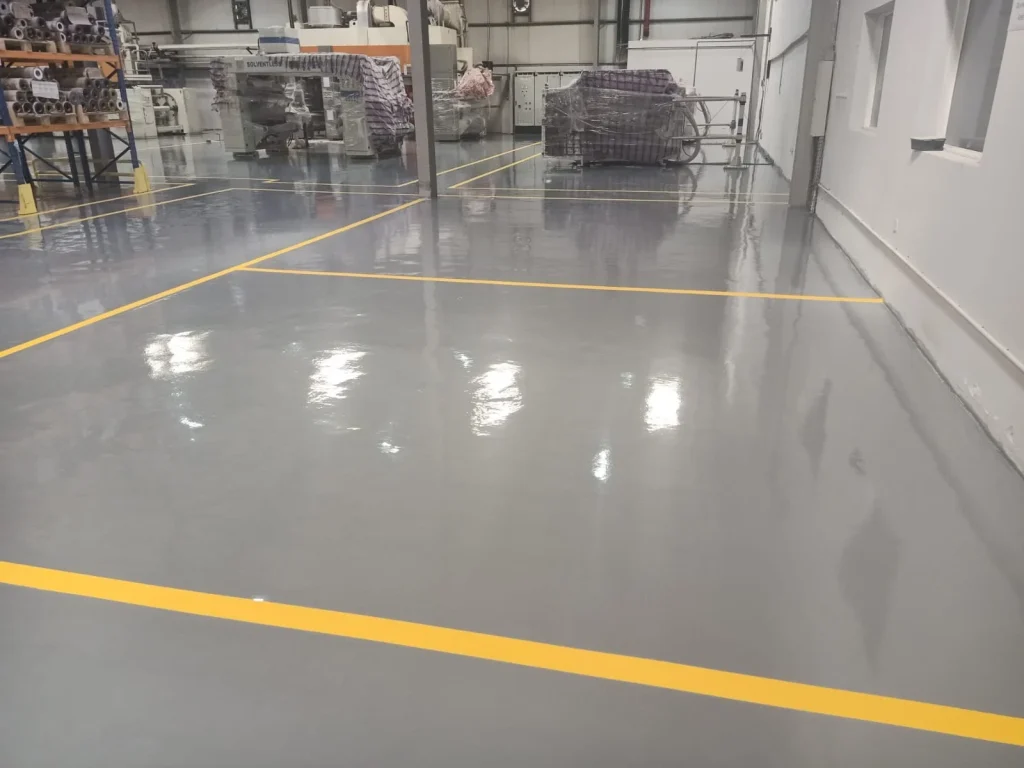
Understanding how advanced coating systems behave under extreme climate exposure helps facility managers, architects, and engineers make informed surface material decisions. This article explores how environmental factors impact resin floor performance, installation success, and long-term durability across commercial and industrial settings.
How temperature fluctuations affect curing reactions and final hardness properties in resin-based floor coatings
Temperature directly influences the chemical curing process of resin-based coatings. These coatings rely on controlled chemical reactions between resin and hardener components. When temperatures rise, curing reactions speed up, which can shorten installation working time. When temperatures drop, curing slows and may lead to incomplete bonding.
In regions known for extreme daytime heat and cooler nights, systems such as epoxy flooring uae are often evaluated for their ability to maintain consistent curing performance despite thermal fluctuations.
Temperature-related curing effects include:
- Faster chemical reaction rates in high heat
- Increased risk of surface bubbles if curing is too rapid
- Longer curing times in cooler conditions
- Potential reduction in mechanical strength if curing is uneven
Proper installation scheduling helps ensure coatings cure evenly and achieve maximum hardness and durability.
Why moisture vapor transmission must be evaluated before applying protective floor coating systems
Concrete substrates naturally release moisture vapor over time. If this vapor is trapped beneath a coating, it can create pressure that causes bubbling, blistering, or coating separation.
Moisture testing methods commonly include:
- Relative humidity probe testing
- Calcium chloride testing
- Surface moisture scanning tools
Ignoring moisture vapor transmission can lead to long-term coating failures even if the initial installation appears successful.
Environmental moisture becomes especially important in areas where seasonal humidity shifts occur. Engineers must evaluate moisture levels carefully before selecting the correct coating system.
How thermal expansion and contraction impact long-term coating adhesion on concrete substrates
Concrete expands and contracts when exposed to temperature changes. Resin coatings must be flexible enough to accommodate these movements without cracking or losing adhesion.
When expansion stress exceeds coating flexibility, issues can develop such as:
- Hairline surface cracking
- Delamination from substrate
- Stress fractures near joints
Proper joint treatment and flexible coating formulations help reduce thermal stress damage. Engineers often design systems with expansion joint compatibility to maintain structural performance.
What protective layers help prevent UV degradation and color fading in sun-exposed indoor environments
Although many resin flooring systems are used indoors, sunlight exposure through windows or open structures can still cause ultraviolet degradation. UV exposure can result in:
- Surface yellowing
- Color fading
- Reduced surface gloss
- Gradual breakdown of protective top layers
Specialized UV-resistant topcoats are often added in environments with significant sun exposure. These coatings help maintain visual consistency and protect the underlying structural layers.
Some design comparisons are made between resin coatings and decorative options like terrazzo tile when evaluating long-term appearance stability under sunlight exposure.
How heavy machinery loads influence coating thickness requirements and reinforcement strategies
Industrial facilities often operate heavy forklifts, pallet jacks, and production machinery that place intense point loads on flooring systems. Standard coating thickness may not be sufficient in these environments.
Engineering considerations include:
- Compressive strength of coating system
- Thickness of resin layers
- Reinforcement additives or aggregates
- Load distribution analysis
Higher load environments often require thicker multi-layer coating systems to prevent premature wear or structural compression damage.
Proper load assessment ensures flooring systems maintain performance under continuous industrial operation.
Why surface porosity testing is necessary before applying high-performance protective floor finishes
Concrete porosity affects how well a coating bonds to the surface. Highly porous concrete absorbs primer unevenly, which can weaken adhesion strength.
Porosity testing helps determine:
- Primer selection
- Required primer thickness
- Surface sealing requirements
- Bonding reliability
If porosity is not evaluated, coatings may cure unevenly or fail prematurely. Surface sealing and primer adjustments help create consistent bonding conditions across the entire floor area.
How installation timing influences coating bonding strength and resistance to micro-cracking issues
Installation timing plays a major role in long-term coating performance. Applying coatings during extreme environmental conditions increases the risk of micro-defects forming within the coating structure.
Installation timing planning typically includes:
- Monitoring daily temperature patterns
- Measuring humidity fluctuations
- Avoiding installation during peak heat hours
- Scheduling curing during stable environmental periods
Many facility planners researching advanced surface solutions such as seamless flooring dubai often prioritize controlled installation timing to maximize structural bonding performance.
Micro-cracks formed during improper installation may not be visible initially but can expand over time under mechanical stress.
Conclusion
Extreme climates require flooring systems engineered to handle temperature stress, humidity exposure, and heavy mechanical loads. Modern resin flooring technologies provide strong performance when properly installed and maintained under controlled environmental conditions. Understanding how environmental variables affect coating chemistry, bonding, and durability helps ensure long-term flooring success across industrial and commercial environments.
Selecting appropriate installation timing, performing detailed surface testing, and choosing climate-compatible coating formulations are essential for maximizing flooring lifespan and performance reliability.
FAQs
How do high temperatures influence resin curing speed?
High temperatures accelerate chemical reactions, causing coatings to cure faster. While this can shorten installation time, it may reduce working flexibility and increase the risk of surface defects if not controlled.
What humidity levels are safe for coating application processes?
Moderate humidity levels are ideal. Extremely high humidity can cause curing problems, while very low humidity may affect surface bonding and curing consistency.
How can surface cracks be prevented in extreme weather regions?
Using flexible coating systems, proper joint treatment, and installing coatings during stable environmental conditions helps reduce crack formation risks.
What testing methods confirm substrate readiness before installation?
Moisture vapor testing, surface porosity testing, and mechanical strength testing help confirm substrate readiness for coating installation.
How often should industrial resin floors be inspected for wear?
Routine visual inspections should be performed monthly, with detailed professional inspections recommended annually depending on usage intensity.
What factors determine coating thickness selection in harsh climates?
Environmental stress levels, mechanical load requirements, and substrate conditions all influence the required coating thickness for long-term durability.


