
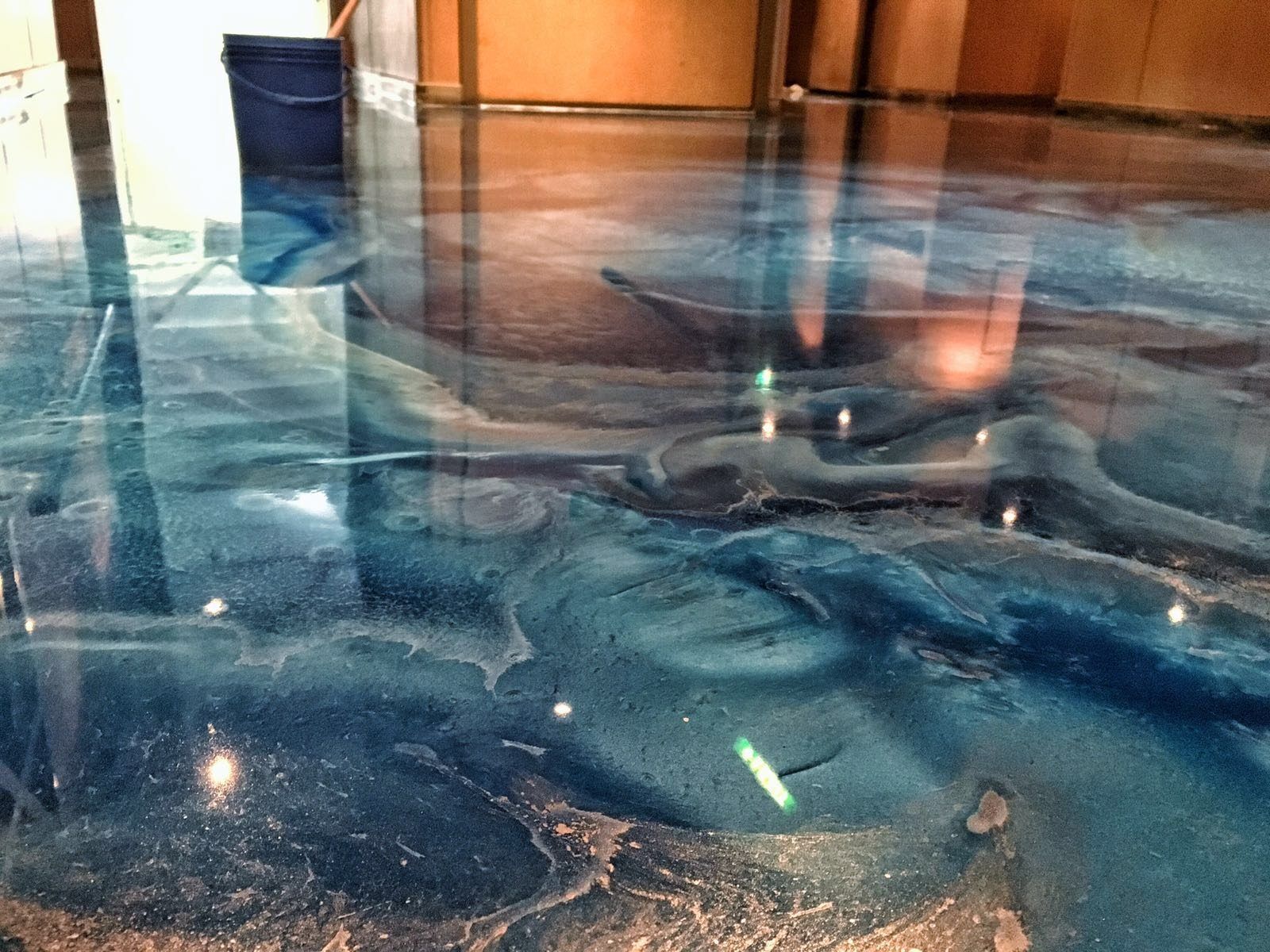
Floor durability is a critical factor in modern construction and infrastructure design. Whether in industrial warehouses, commercial buildings, or residential garages, flooring surfaces must withstand constant mechanical pressure, chemical exposure, and environmental fluctuations. Traditional materials such as tiles and concrete coatings provide basic protection, but newer flooring technologies offer enhanced structural performance and longevity.

Resin-based flooring systems are engineered to create seamless, impact-resistant surfaces capable of handling demanding operational conditions. Their durability comes from advanced chemical bonding, layered installation methods, and controlled curing processes. Understanding how these flooring systems improve durability helps architects, engineers, and property owners make informed decisions when selecting long-lasting surface materials.
How epoxy resin flooring creates strong molecular bonding with prepared concrete substrates
Epoxy flooring durability begins at the molecular level. When resin and hardener are mixed, they trigger a chemical reaction that forms cross-linked polymer chains. These chains create a dense surface layer that tightly bonds to concrete substrates.
This bonding process provides several durability benefits:
- Strong adhesion prevents surface peeling or lifting
- Resistance to heavy mechanical loads
- Protection against moisture penetration
- Improved resistance to surface cracking
When professionals install epoxy resin flooring systems, they rely on substrate preparation and chemical bonding strength to ensure long-term structural stability. Proper bonding prevents surface separation even under continuous heavy use, which is essential in warehouses, manufacturing plants, and logistics centers.
Comparing resin flooring durability against ceramic, stone, and traditional tile-based surfaces
Traditional flooring materials provide strength but often contain joints or seams that can weaken over time. Resin flooring eliminates these seams, creating a continuous surface that distributes weight more evenly.
Ceramic and Stone Flooring
- May crack under heavy impact
- Grout lines require maintenance
- Limited chemical resistance
Resin Flooring Systems
- Seamless surface prevents joint failure
- High impact resistance
- Better resistance to chemical spills
- More consistent load distribution
Many facility managers compare performance differences by reviewing materials used in commercial installations such as floor tiles dubai solutions. These comparisons often highlight how joint-free surfaces reduce maintenance complexity and improve long-term durability.
The role of thickness levels in determining mechanical strength and load-bearing capacity
The thickness of a resin flooring system directly influences its durability. Thicker coatings typically provide higher resistance to heavy machinery, constant foot traffic, and rolling equipment.
Typical thickness categories include:
- Thin Coatings (0.5–1 mm)
- Suitable for light traffic areas
- Provides surface protection
- Medium Systems (2–3 mm)
- Suitable for commercial and retail spaces
- Offers moderate impact resistance
- Heavy-Duty Systems (4 mm and above)
- Designed for industrial and manufacturing environments
- Handles heavy equipment and constant mechanical stress
Selecting the correct thickness ensures the flooring system performs efficiently under expected usage conditions.
How temperature variations affect resin flooring flexibility and structural performance over time
Temperature fluctuations can affect many flooring materials, causing expansion and contraction that leads to cracking. Resin flooring systems are designed to maintain flexibility within controlled temperature ranges.
Key performance factors include:
- Thermal expansion resistance
- Stable bonding during temperature cycles
- Reduced risk of surface fractures
- Protection against cold environment brittleness
These properties make resin flooring suitable for refrigerated storage facilities, loading docks, and semi-outdoor spaces exposed to seasonal temperature changes.
Slip resistance technologies used in modern resin flooring systems for safety improvement
Modern resin flooring incorporates slip-resistant additives to improve safety. These additives create microscopic surface textures that increase friction without compromising cleanability.
Slip resistance technologies include:
- Quartz sand broadcast layers
- Aluminum oxide particles
- Polymer texture additives
- Anti-slip topcoat sealers
These technologies help reduce workplace accidents in wet or oily environments such as kitchens, automotive workshops, and industrial processing plants.
Impact resistance properties and how they protect industrial and commercial floor environments
Impact resistance is one of the most important durability features of resin flooring. Heavy equipment, dropped tools, and constant pallet movement can damage traditional flooring materials.
Resin flooring protects surfaces through:
- Shock absorption properties
- High compressive strength
- Crack resistance under sudden load impact
- Surface memory that prevents permanent dents
These characteristics help maintain structural integrity in high-demand environments like distribution centers and production facilities.
Long-term wear patterns observed in heavy machinery and high foot traffic environments
Over time, all flooring materials develop wear patterns. However, resin flooring distributes wear more evenly due to its seamless surface structure.
Typical wear behavior includes:
- Gradual gloss reduction rather than surface cracking
- Minimal joint degradation compared to tile systems
- Lower risk of localized damage zones
- Easier resurfacing when needed
In commercial design comparisons, materials like terrazzo tiles are often evaluated alongside resin systems for long-term wear performance and surface appearance retention.
Surface gloss retention and how finishing layers influence long-term visual appearance
Resin flooring systems can maintain their appearance for years with proper finishing layers. Topcoats protect the surface from abrasion, UV exposure, and chemical staining.
Factors influencing gloss retention include:
- Quality of topcoat sealers
- Frequency of cleaning and maintenance
- Level of mechanical abrasion exposure
- Chemical spill management
High-performance finishing layers also help maintain light reflectivity, which improves workspace visibility in industrial environments.
Moisture vapor barriers and their importance in preventing flooring system failure
Moisture vapor is one of the leading causes of flooring system failure. Vapor rising through concrete slabs can weaken bonding and cause bubbling or delamination.
Moisture protection strategies include:
- Installing vapor barrier membranes
- Performing moisture testing before installation
- Using moisture-tolerant primer layers
- Monitoring environmental humidity during curing
These protective steps ensure the flooring system maintains strong adhesion throughout its lifespan.
Conclusion
Resin flooring systems provide advanced durability through chemical bonding, seamless installation, and engineered surface protection layers. Their ability to resist mechanical stress, chemical exposure, and environmental fluctuations makes them highly reliable in demanding environments.
By understanding factors such as substrate preparation, thickness selection, moisture control, and finishing layer protection, building professionals can maximize flooring lifespan. Durable flooring is not just about material strength—it also depends on proper installation, maintenance, and environmental management.
FAQs
Why is resin flooring considered highly durable compared to tiles?
Resin flooring creates a seamless surface without grout lines, reducing weak points and improving load distribution.
Can resin flooring crack under structural building movement?
When properly installed, resin flooring can tolerate minor building movement due to its flexible bonding properties.
What preparation is required before installing resin flooring systems?
Preparation typically includes grinding the concrete surface, repairing cracks, removing contaminants, and testing moisture levels.
How does resin flooring perform in outdoor or semi-outdoor environments?
With proper UV-resistant topcoats and correct installation, resin flooring can perform well in semi-exposed environments.
Is resin flooring resistant to oil, grease, and chemical spills?
Yes, most resin flooring systems provide strong resistance to industrial chemicals, oils, and cleaning agents.
What factors influence the lifespan of resin flooring installations?
Installation quality, environmental conditions, thickness selection, maintenance routines, and load exposure all influence lifespan.


