
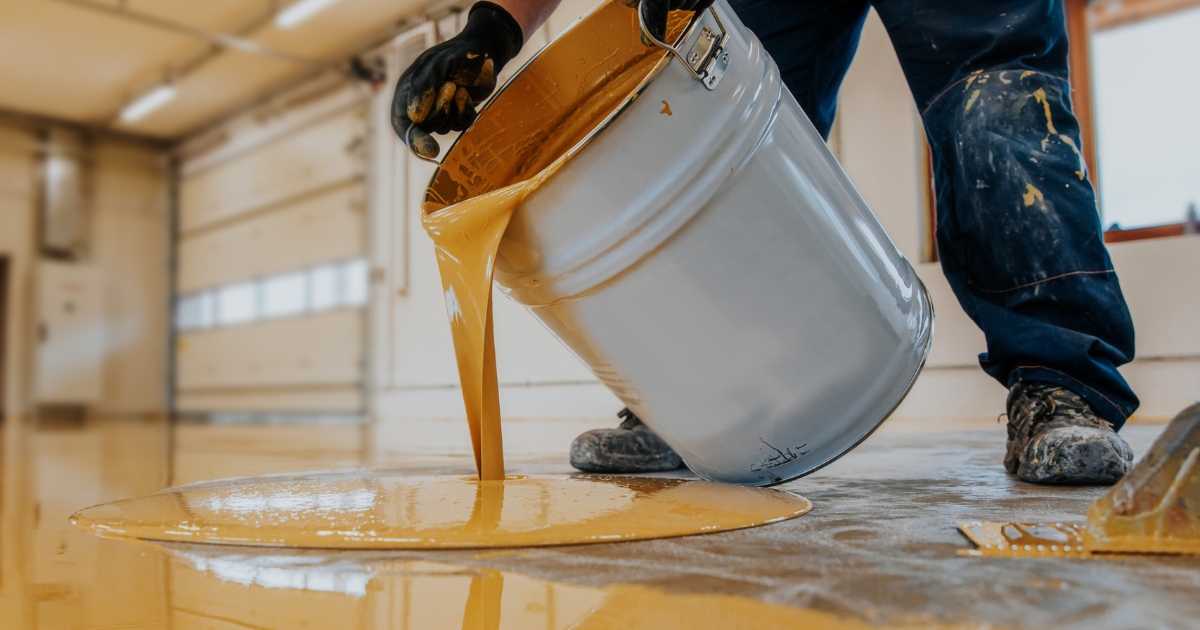
Infrastructure development and modern construction techniques have significantly transformed flooring solutions in recent years. Resin-based surfaces are now widely used because of their durability, adaptability, and ability to perform in demanding environments. In regions like Dubai, environmental conditions such as high heat, sand exposure, and humidity make surface selection especially important for long-term performance.
Understanding what influences flooring project costs is not just about materials. Many technical, environmental, and structural factors combine to determine overall project complexity. This article explores the major elements that affect epoxy flooring project costs from an informational and technical perspective, focusing on performance, preparation, and long-term value considerations rather than commercial aspects.
Material composition differences and how resin quality grades influence overall project cost and structural performance longevity
Resin flooring systems vary depending on formulation quality, chemical composition, and manufacturing standards. High-grade resins typically contain stronger polymer chains that provide enhanced durability and longer service life.
Key composition differences include:
- Pure epoxy versus blended resin systems
- Additives for UV protection and chemical resistance
- Reinforcement materials for structural strength
- Protective topcoat formulations
Higher-quality materials often provide:
- Better resistance to abrasion and impact
- Longer lifespan under heavy traffic
- Improved resistance to chemical exposure
In technical flooring projects, engineers often evaluate materials like epoxy flooring price in dubai data trends to understand how material grade affects installation complexity and performance expectations.
Material selection must match environmental exposure, structural load requirements, and maintenance expectations.
Surface size, thickness requirements, and structural reinforcement factors that increase installation complexity and labor demand
Surface area directly influences project scope. Larger spaces require more material, longer application times, and additional quality control measures.
Thickness requirements vary depending on usage. For example:
- Light residential use: thinner coating layers
- Commercial spaces: medium thickness layers
- Industrial zones: thicker reinforced systems
Reinforcement factors may include:
- Fiberglass mesh layering
- Quartz broadcast reinforcement
- Multi-layer chemical bonding systems
Larger or more complex surfaces may also require specialized equipment, extended curing schedules, and multi-stage application processes to ensure uniform coverage and structural stability.
How substrate condition and repair requirements contribute significantly to total project preparation time and resources
The condition of the underlying surface is one of the most critical technical cost drivers in resin flooring installation. If the substrate is damaged, uneven, or contaminated, extensive preparation work may be required.
Common substrate preparation needs include:
- Crack repair using polymer fillers
- Surface leveling using self-leveling compounds
- Removal of old coatings or adhesives
- Moisture barrier application
Older surfaces often require more preparation work compared to newly constructed concrete bases. Surface condition also determines primer selection and bonding strategy.
For projects combining different architectural elements, designers sometimes compare surface compatibility with materials like terrazo tile finishes to ensure visual and structural consistency.
Climate exposure considerations and how weather resistance coatings impact material selection and long-term performance expectations
Extreme weather exposure can accelerate surface wear if materials are not properly selected. Flooring systems must withstand heat, UV radiation, moisture, and sand abrasion.
Important climate-related considerations include:
- Thermal expansion resistance
- UV protection layers
- Moisture vapor resistance
- Anti-dust surface sealing
Outdoor surfaces must be designed differently from indoor ones. Resin systems used outdoors typically include additional protective layers to prevent color fading and surface degradation.
In coastal or humid zones, vapor barriers and moisture-tolerant primers help maintain long-term surface stability.
Labor expertise levels and certification standards that influence installation precision and final surface durability results
Installation skill level significantly affects final flooring quality. Resin flooring requires precise mixing ratios, controlled application timing, and careful environmental monitoring.
Highly trained installation teams typically provide:
- Accurate resin mixing ratios
- Uniform layer thickness
- Proper curing environment control
- Reduced installation defects
Improper installation can lead to:
- Air bubble formation
- Uneven surface curing
- Reduced structural bonding
- Premature surface wear
Technical certification programs and hands-on training help ensure consistent installation results across large projects.
Custom finishes, color blends, and decorative aggregate additions that change application complexity and finishing timelines
Decorative enhancements can significantly increase installation complexity because they require additional application steps and curing phases.
Common decorative options include:
- Metallic pigment finishes
- Flake broadcast decorative systems
- Quartz aggregate color blends
- Multi-layer artistic coatings
Decorative systems often require:
- Base resin application
- Decorative layer broadcasting
- Surface sealing layers
- Protective topcoat finishing
Outdoor decorative designs may incorporate aesthetics similar to outdoor tiles dubai style surfaces when visual integration with landscape design is required.
Long-term maintenance cost comparisons between resin surfaces and alternative outdoor surfacing solutions in hot climates
Maintenance requirements vary significantly between flooring types. Resin floors generally require less intensive maintenance than many traditional surfaces.
Maintenance comparisons often include:
Resin Floors
- Easy cleaning procedures
- Periodic protective layer renewal
- Strong stain resistance
Traditional Surfaces
- Frequent sealing requirements
- Higher risk of crack formation
- Greater sensitivity to moisture penetration
Hot climate environments increase stress on outdoor surfaces, making durability and low maintenance key long-term performance factors.
Proper maintenance planning helps extend service life and maintain surface appearance under constant environmental stress.
Conclusion
Epoxy flooring project costs are influenced by many technical and environmental factors rather than just material selection alone. Surface preparation, climate resistance, installation expertise, and structural design requirements all play significant roles in determining overall project complexity.
By understanding these factors, construction planners, engineers, and property owners can make informed decisions about flooring system selection based on performance, durability, and long-term reliability rather than short-term considerations.
FAQs
Why do resin flooring project costs vary between locations?
Different climates, labor expertise levels, material availability, and environmental exposure conditions all influence project complexity.
How does surface preparation affect total installation cost?
Extensive repairs, leveling work, and moisture control increase preparation time and resource requirements.
Do decorative finishes significantly change project complexity?
Yes, decorative systems require additional application steps, curing phases, and specialized installation techniques.
How long does installation typically take for large surface areas?
Depending on preparation requirements and system complexity, installation can range from several days to over a week.
What environmental factors impact long-term flooring performance?
Heat, moisture, UV exposure, sand abrasion, and temperature fluctuations all influence surface durability and lifespan.


