
Modern construction and surface engineering have introduced advanced flooring solutions designed to provide durability, seamless aesthetics, and long-term performance. Among these innovations, resin-based surfaces have gained attention due to their adaptability across residential, commercial, and industrial environments. These surfaces are known for their strong bonding properties, resistance to environmental stress, and visually smooth finish.
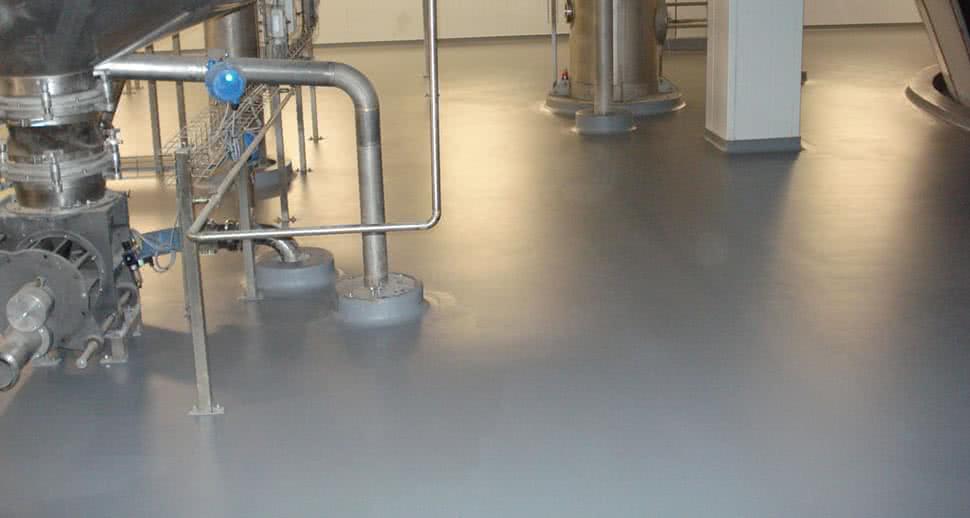
Understanding how resin flooring works requires exploring both the chemical composition and the installation process. From surface preparation to curing stages, each step plays a crucial role in determining how the final floor performs over time. This guide explains the science, performance characteristics, and maintenance considerations behind resin-based flooring systems, helping readers understand why they are widely used in demanding environments.
How seamless resin surfaces are chemically formed and cured for durability and strength in residential and commercial environments
Seamless resin surfaces are created by combining polymer resins with hardening agents. When these components mix, they trigger a chemical reaction that transforms liquid materials into solid, highly durable flooring layers.
The curing process involves:
- Mixing resin and hardener in precise ratios
- Applying the mixture over prepared substrates
- Allowing chemical bonding to create a solid structure
- Adding protective topcoats for extra durability
In many modern building projects, professionals often rely on advanced solutions like epoxy resin flooring because it forms a continuous surface without joints where dirt or moisture can accumulate.
This chemical bonding process results in:
- High compressive strength
- Resistance to abrasion and impact
- Strong adhesion to concrete substrates
- Long-lasting structural stability
Differences between resin-based surfaces and traditional concrete coatings in long-term performance and maintenance cycles
Traditional concrete coatings often sit on top of surfaces without deeply bonding into them. Resin systems, however, chemically bond with the substrate, creating stronger adhesion.
Key differences include:
Traditional Coatings
- May peel under heavy traffic
- Limited chemical resistance
- Often require frequent reapplication
Resin-Based Systems
- Strong chemical bonding
- Better resistance to wear and tear
- Lower long-term maintenance requirements
Over time, resin systems typically outperform surface coatings because they function as part of the structural surface rather than just a protective layer.
Surface preparation requirements and why substrate condition directly impacts lifespan and structural bonding quality
Surface preparation is one of the most critical phases in resin floor installation. Even the highest-quality materials cannot compensate for poor substrate conditions.
Important preparation steps include:
- Removing dust, oil, and debris
- Repairing cracks or structural damage
- Grinding or shot blasting concrete for proper adhesion
- Ensuring moisture levels are controlled
Poor preparation can lead to:
- Delamination
- Air bubbles forming beneath the surface
- Uneven curing
- Reduced lifespan
When surfaces are properly prepared, resin systems can maintain structural integrity for many years.
Environmental resistance capabilities including moisture, heat variation, and chemical exposure in harsh outdoor climates
Resin floors are designed to withstand environmental challenges that often damage traditional flooring materials. In regions exposed to strong sunlight, humidity, and temperature fluctuations, these systems provide stable performance.
For external environments where durability is critical, specialists often evaluate options such as outdoor flooring dubai solutions designed for extreme climate exposure.
Environmental resistance features include:
- Moisture resistance preventing water penetration
- Thermal stability during temperature changes
- UV-resistant topcoats to reduce discoloration
- Chemical resistance for industrial or urban settings
These properties make resin surfaces suitable for parking structures, walkways, and industrial outdoor zones.
Slip resistance technologies and safety enhancements used in modern resin-based flooring systems for public areas
Safety is a major factor in flooring design, especially in public or high-traffic environments. Modern resin floors include anti-slip aggregates mixed into top layers.
Common safety enhancements include:
- Quartz or silica aggregates for traction
- Textured topcoats for wet environments
- Custom slip ratings based on location requirements
These technologies are especially useful in:
- Hospitals and healthcare facilities
- Commercial kitchens
- Outdoor walkways
- Industrial workspaces
Slip-resistant resin floors reduce accident risks while maintaining visual uniformity.
Typical installation timelines and curing stages explained from base preparation to final protective top layers
Installation timelines vary depending on area size, environmental conditions, and design complexity. However, most resin floor installations follow similar stages.
Step-by-Step Process
- Surface inspection and repair
- Mechanical surface preparation
- Primer application
- Base resin layer installation
- Decorative or functional mid-layer addition
- Protective topcoat application
- Final curing and inspection
Decorative finishes may incorporate materials similar to outdoor tiles dubai designs when visual appearance is a priority for exterior areas.
Typical curing times:
- Light foot traffic: 24–48 hours
- Heavy traffic readiness: 3–7 days
Long-term maintenance routines required to preserve shine, structure, and surface integrity under daily traffic
Maintaining resin floors is relatively simple compared to traditional surfaces, but consistency is important.
Routine Maintenance Tips
- Sweep or vacuum regularly
- Use neutral pH cleaning solutions
- Avoid harsh abrasive chemicals
- Inspect periodically for damage or wear
Long-Term Maintenance Practices
- Reapply protective topcoats every few years
- Repair minor damage early to prevent spread
- Maintain proper drainage in outdoor installations
With proper care, resin floors can retain their performance and appearance for many years.
Conclusion
Resin-based flooring systems combine chemical engineering and construction technology to deliver durable, seamless surfaces suitable for diverse environments. Their ability to resist environmental stress, maintain structural integrity, and provide safety enhancements makes them a practical solution for both indoor and outdoor applications.
Understanding how these floors are formed, installed, and maintained helps property owners and designers make informed decisions when selecting surface materials for long-term performance and reliability.
FAQs
How long do resin-based floors typically last in outdoor environments?
With proper installation and maintenance, resin floors can last 10–20 years depending on exposure conditions and usage intensity.
What preparation is needed before installing a seamless resin surface?
Preparation includes cleaning, crack repair, mechanical grinding, and moisture testing to ensure proper bonding.
Are resin floors safe for wet or humid climate conditions?
Yes, when installed with slip-resistant aggregates and proper sealing layers, they perform well in humid and wet environments.
Can resin floors crack or peel over time?
If installed correctly on a properly prepared substrate, cracking or peeling is rare and usually linked to structural movement below the surface.
How are resin floors cleaned and maintained for long durability?
Routine sweeping, gentle cleaning solutions, and periodic inspections help maintain durability and surface appearance.


